

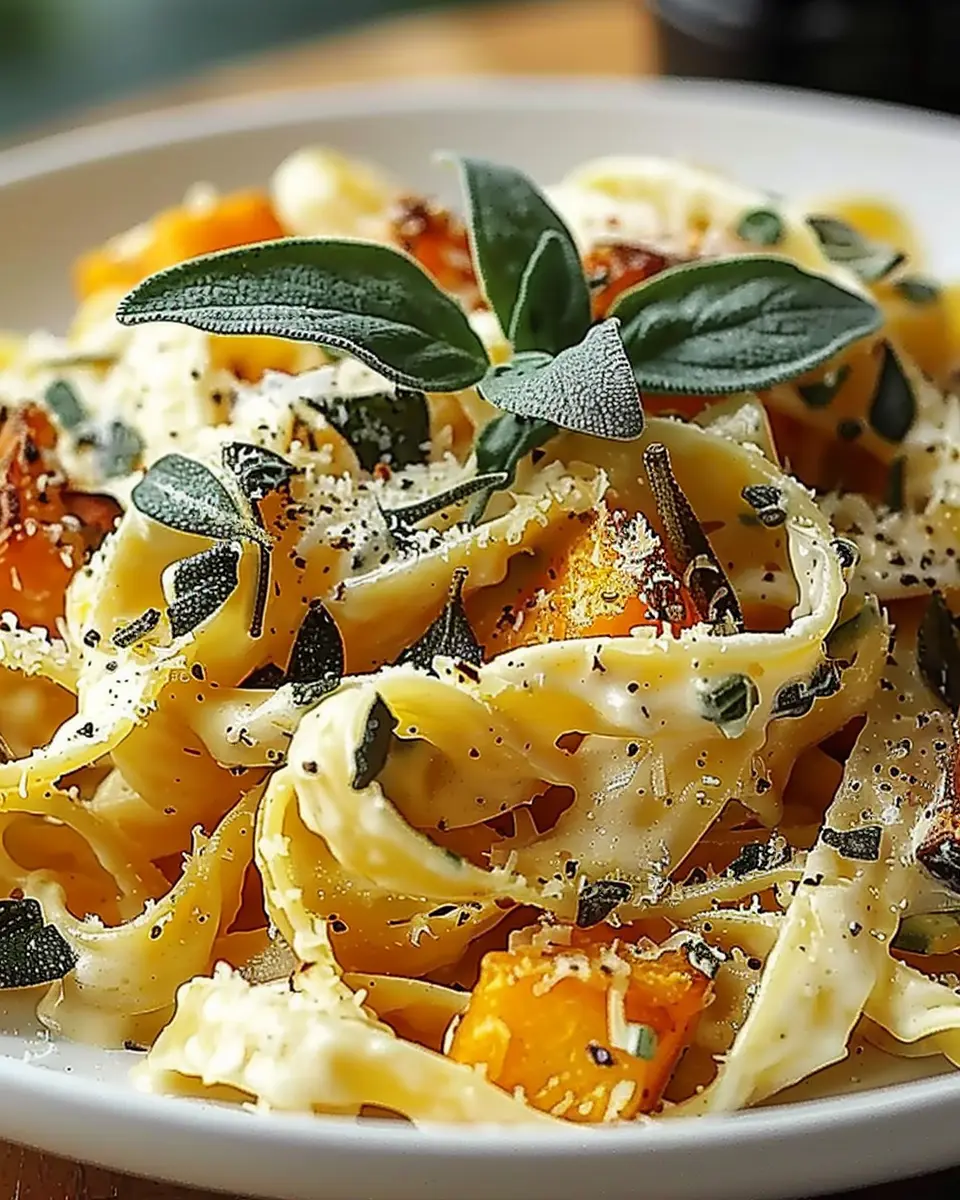
Introduction to Butternut Squash Sage Pasta
As the leaves change and a chill creeps into the air, there’s nothing quite like a comforting plate of butternut squash sage pasta to warm you from the inside out. This dish beautifully marries the earthy sweetness of butternut squash with the fragrant, peppery notes of sage, creating a rich and satisfying meal that’s perfect for cozy evenings or impressing dinner guests.
Why Butternut Squash and Sage?
Butternut squash isn’t just pretty to look at; it’s also packed with nutrients. According to the USDA, just one cup of cooked butternut squash provides more than 400% of your daily requirement of vitamin A, along with fibers and antioxidants that are great for overall health. This versatility makes it ideal for fall and winter dishes. Pairing it with sage elevates your meal. Sage, with its distinct aroma and flavor, has been used in cooking for centuries, and it also has potential health benefits, including anti-inflammatory properties that can help support digestive health.
What’s particularly delightful about this butternut squash sage pasta is how simple it is to prepare. Whether you’re a busy young professional or simply looking to explore new flavors, this dish can come together in less than an hour. The warm, creamy sauce is simply irresistible, making every bite a comforting delight.
To round out the meal, consider adding some protein. Turkey bacon or chicken ham complements the flavors beautifully, adding a bit of crunch and richness. Not a meat-eater? No problem! You can easily leave it out or substitute with plant-based proteins.
If you’re looking to switch up your dinner routine or bring something exciting to your next potluck, this dish is sure to impress. As you mix and twirl the pasta, the vibrant colors of the squash and the green of the sage create a feast for the eyes as well.
Curious about the preparation? Keep reading for the full recipe to make your own delicious butternut squash sage pasta at home! You won’t want to miss out on this seasonal gem, so let’s get cooking.
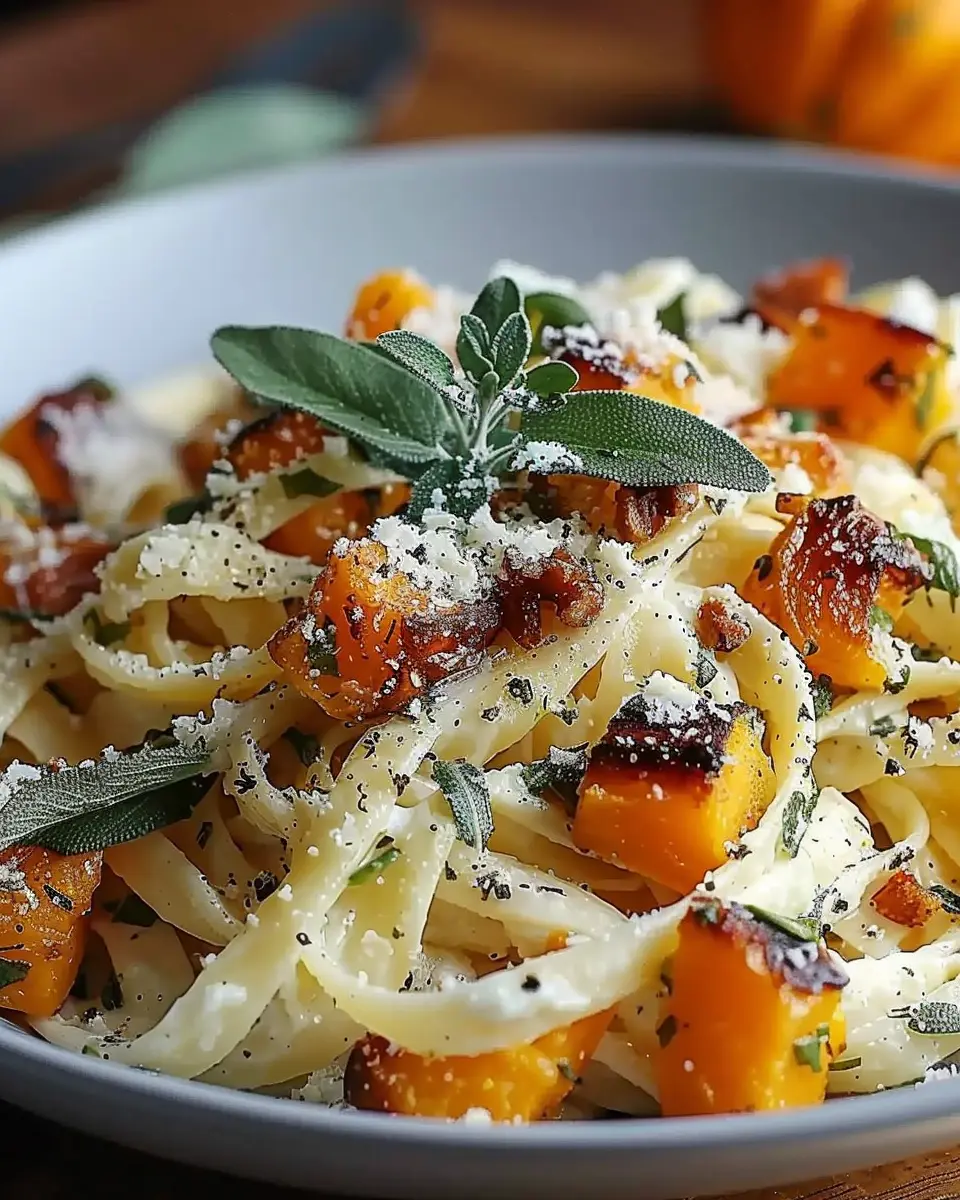
Ingredients for Butternut Squash Sage Pasta
Essential Ingredients
Crafting your butternut squash sage pasta starts with some essential ingredients that pack a flavor punch. Here’s what you’ll need:
- Pasta: Choose your favorite variety, like penne or fettuccine, to complement the rich sauce.
- Butternut Squash: Freshly cubed or roasted—but definitely the star of the show!
- Sage: Fresh is best for that aromatic depth, but dried sage works in a pinch.
- Olive Oil: For sautéing and adding richness.
- Onion and Garlic: Essential for a flavor foundation; diced onion and minced garlic work wonders.
- Vegetable Broth: This adds a savory base to your sauce—opt for low-sodium to keep it balanced.
- Parmesan Cheese: A sprinkle tops it all off with delightful nuttiness.
Optional Add-ins
Feeling adventurous? Here are add-ins that could make your dish even more delightful:
- Turkey Bacon or Chicken Ham: For those who enjoy a bit of protein.
- Spinach or Kale: Toss in some greens for added nutrients.
- Chili Flakes: If you like a hint of heat, this is a perfect addition!
Now that you’ve got your ingredients sorted, you’re well on your way to enjoying a delicious batch of butternut squash sage pasta. Happy cooking!
Preparing Butternut Squash Sage Pasta
Creating a delicious dish like butternut squash sage pasta requires a little preparation, but trust me, it’s worth every minute. This cozy meal not only warms your heart but also brings a touch of autumn to your dining table year-round. Here’s how to prepare it step-by-step, making the process as enjoyable as the dish itself.
Roasting the Butternut Squash
The star of the show in your butternut squash sage pasta is, of course, the butternut squash. To achieve that caramelized sweetness, you’ll want to roast it.
-
Prep Your Squash: Start by cutting the butternut squash in half lengthwise. Scoop out the seeds and then chop it into small cubes. The smaller the pieces, the quicker they’ll roast.
-
Season: Toss the cubes in olive oil, salt, and pepper. For an added layer of flavor, sprinkle in a little ground nutmeg.
-
Roast: Arrange the cubes in a single layer on a baking sheet. Bake at 400°F (200°C) for about 25-30 minutes, or until they’re tender and golden. You’ll know they’re done when they look slightly caramelized. The aroma in your kitchen will be heavenly!
While roasting, consider checking out some great kitchen gadgets to elevate your cooking experience. This guide on kitchen tools can be a good start!
Cooking the Pasta
While your squash is roasting, it’s the perfect time to cook your pasta. I recommend using whole grain or gluten-free pasta for a more nutritious twist.
- Bring Water to a Boil: Fill a large pot with water, add a generous amount of salt, and bring it to a rolling boil.
- Add Pasta: Introduce your pasta into the boiling water, cooking according to the package instructions until it’s al dente. Typically, this will take between 8-12 minutes, depending on the type you choose.
- Reserve Water: Before draining, don’t forget to reserve a cup of the pasta water. This starchy water will come in handy later to create a beautiful sauce.
Combining Ingredients
Once both the pasta and butternut squash are ready, it’s time for the fun part: combining everything!
-
Mix Together: In a large skillet, combine the roasted butternut squash and cooked pasta. If you’re adding turkey bacon or chicken ham, toss those in now for some protein.
-
Add Reserved Pasta Water: Pour in a bit of that reserved pasta water to help the ingredients stick together and create a saucy consistency. Start with about half a cup and add more if needed.
This is where you can be creative! You might want to fold in some sautéed spinach or kale for added nutrition and flavor.
Adding Flavor with Sage
No butternut squash sage pasta is complete without the fragrant addition of sage.
- Fresh or Dried Sage: If you have fresh sage, chop it finely and add it to your mixture. If you’re using dried sage, a teaspoon will do.
- Infuse the Flavor: Let the sage cook for just a couple of minutes with the pasta and squash in the skillet, stirring gently. This will ensure that the aromatic sage flavor permeates everything.
Sage not only pairs wonderfully with butternut squash, but it’s also known for its health benefits, including antioxidant properties.
Final Touches
Now that your butternut squash sage pasta is nearly ready to serve, let’s add those final touches.
- Cheese It Up: A sprinkle of grated Parmesan or pecorino on top can elevate the dish tremendously.
- Garnish: Consider adding chopped walnuts for a crunchy texture or a drizzle of olive oil for a burst of flavor.
Once plated, you can admire your culinary creation. Trust me, the bright orange squash against the warm yellow pasta looks stunning. This dish will surely impress your friends and family.
So, gather around the table and enjoy your wonderful butternut squash sage pasta—it’s not just a meal; it’s a seasonal hug on a plate!
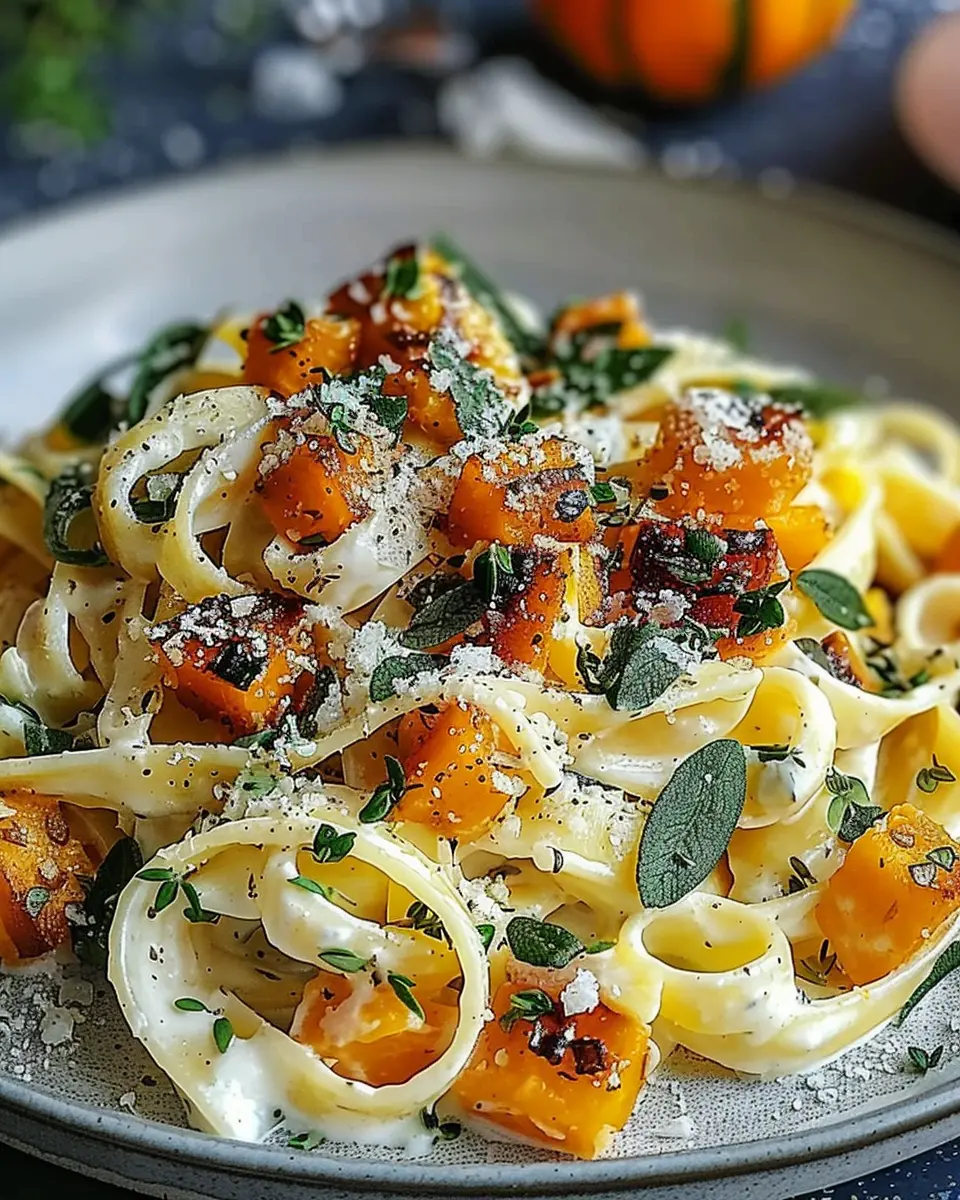
Variations on Butternut Squash Sage Pasta
Creamy Butternut Squash Sage Pasta
If you’re dreaming of a rich and velvety experience, consider transforming your butternut squash sage pasta into a creamy delight. Simply blend your roasted squash with a touch of cream or a plant-based alternative like coconut cream for a vegan-friendly option. This added creaminess pairs beautifully with the earthy flavor of sage and makes for a luxurious sauce that clings to every noodle. Don’t forget to sprinkle some freshly grated Parmesan cheese or nutritional yeast for that extra flavor kick!
Add Protein: Turkey Bacon or Chicken Ham
Looking to amp up the protein in your dish? Switching out your usual meat for turkey bacon or chicken ham adds a delightfully savory quality. Sauté your turkey bacon or chicken ham until crispy before tossing it into your pasta. This not only enhances the flavor profile but also adds a satisfying crunch. Plus, it’s a great way to make your butternut squash sage pasta a heartier meal that can fuel you through a busy work week!
Twist with Seasonal Vegetables
Seasonal vegetables can breathe new life into your butternut squash sage pasta. Think roasted Brussels sprouts, sautéed kale, or even some crisp, fresh asparagus. They not only add color but also provide a nice texture contrast. Seasonal produce not only tastes better but is often more affordable—making it a win-win for your wallet and your plate. Explore local farmer’s markets or grocery stores that prioritize fresh, local options to find what’s in season.
Enhancing your butternut squash sage pasta is all about creativity and embracing what ingredients excite your palate. What is your favorite way to make this dish your own?
Cooking Tips and Notes for Butternut Squash Sage Pasta
Make-Ahead Strategies
Preparing butternut squash sage pasta can fit seamlessly into your busy week! You can roast the butternut squash and sauté the sage a day ahead, letting the flavors deepen overnight. Store them in airtight containers in the refrigerator. When you’re ready to eat, just cook your pasta and toss everything together. Voila! Dinner is served with minimal effort.
Freezing and Storage Tips
If you want to enjoy your delicious butternut squash sage pasta later, freezing is a smart option. You can freeze the sauce without the pasta for optimal texture. Use freezer-safe containers, leaving some space at the top for expansion. To thaw, simply move it to the fridge overnight or use the microwave on defrost.
For best results, enjoy your pasta within a month for peak flavor! If you’re interested in learning more about freezing techniques, check out resources like the USDA’s Food Safety Guidelines. Happy cooking!
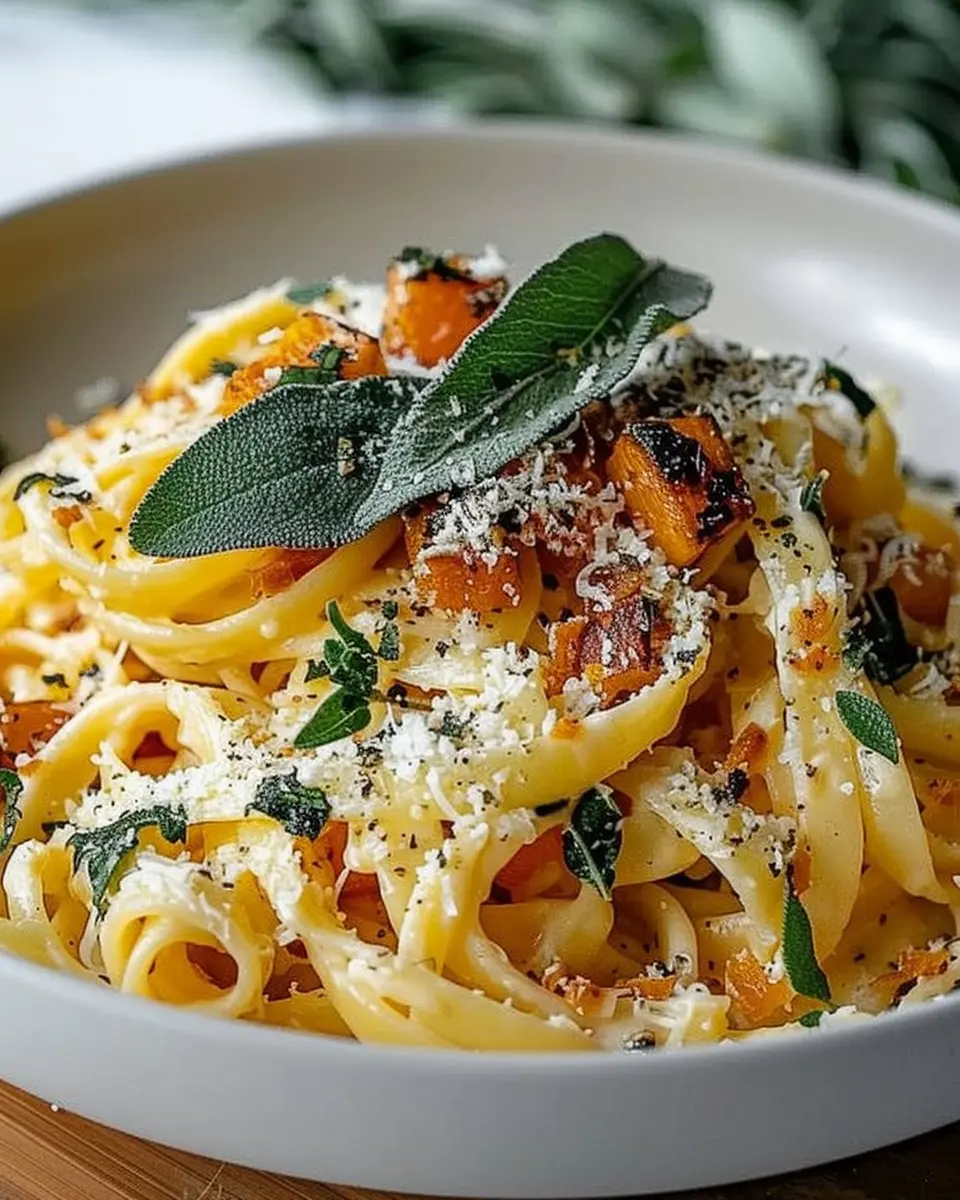
Serving Suggestions for Butternut Squash Sage Pasta
A Plate That Pops!
When you’re serving butternut squash sage pasta, presentation can make all the difference. Start with a vibrant plate—think white or light-colored dishes that contrast beautifully with the rich, golden hues of the pasta. A sprinkle of freshly chopped sage or a drizzle of high-quality olive oil on top can add an aromatic touch and enhance that wow factor.
For added texture, consider tossing in some toasted pine nuts or walnuts before serving. These not only contribute a delightful crunch but also elevate the overall flavor profile. Serve each plate alongside a colorful arugula salad dressed with a simple lemon vinaigrette. This fresh element balances the creamy pasta, creating a dish that truly satisfies.
Perfect Pairings
Pair your butternut squash sage pasta with a refreshing non-alcoholic sparkling water, perhaps with a hint of lemon or cucumber. This drink will cleanse the palate without overpowering the natural flavors of your dish. For protein lovers, consider serving some crispy turkey bacon or sautéed chicken ham on the side, adding a savory note that complements the sweetness of the squash.
If you’re feeling adventurous, experiment with roasted vegetables—think Brussels sprouts or carrots. The smoky char will harmonize beautifully with the pasta, turning your meal into a delightful feast. For more creative ideas on crafting the perfect plate, check out these tips from Food & Wine.
Enjoy your hearty dish, and discover the ways it can transform a simple dinner into an enjoyable experience!
Time Breakdown for Butternut Squash Sage Pasta
Preparation Time
Getting to know your ingredients is half the joy! For butternut squash sage pasta, set aside about 15 minutes to peel, chop, and prepare your butternut squash and fresh sage. This step is crucial for ensuring even cooking and maximizing flavor. If you’re short on time, you can even pre-chop the squash or buy it prepped from the store.
Cooking Time
With everything prepped, the cooking itself won’t take long at all. You’ll want to allocate around 25-30 minutes for the actual cooking process. This includes roasting the squash until it’s tender and mixing it into a delightful pasta dish.
Total Time
All together, you’re looking at approximately 45-50 minutes from start to finish. It’s a manageable commitment for a gourmet meal! So, grab your favorite apron, and let’s get cooking! For additional cooking tips and techniques, check out this guide for a perfect pasta experience.
Nutritional Facts for Butternut Squash Sage Pasta
When it comes to healthy eating, butternut squash sage pasta brings a delightful blend of nutrition and flavor, making it a perfect choice for young professionals on the go. Here’s a quick breakdown of its nutritional content to help you stay informed:
Calories
A serving of butternut squash sage pasta contains approximately 350 calories. This makes it a satisfying yet light option for a weekday dinner or a weekend treat.
Carbohydrates
In a single serving, you’ll find around 55 grams of carbohydrates. The majority comes from the natural sugars in butternut squash, offering a wholesome source of energy that’s perfect for powering through your day.
Fiber
With approximately 6 grams of fiber per serving, this dish is excellent for promoting digestive health. Getting enough fiber is not just beneficial; it’s crucial for maintaining a balanced diet. For more fiber-rich options, check out resources from the American Heart Association.
Remember, balancing meals rich in nutrients like those found in butternut squash sage pasta can be a game-changer for your dietary habits!
FAQs about Butternut Squash Sage Pasta
Can I use another type of pasta?
Absolutely! While the recipe is delightful with traditional pasta, you can experiment with other varieties like whole wheat, gluten-free, or even zucchini noodles for a lighter option. The key is to adjust the cooking time as necessary. Make sure to keep an eye on your pasta, regardless of the type, to ensure it’s cooked to your liking!
How can I make this dish vegan?
Transforming your butternut squash sage pasta into a vegan delight is quite simple! Swap out the turkey bacon for a plant-based bacon alternative or omit it entirely for a lighter dish. Instead of cream, try using coconut or almond milk for a creamy texture. Nutritional yeast can also add a cheesy flavor without using dairy. This way, everyone can enjoy a warm bowl of comfort!
What can I substitute for sage?
Sage has a unique aroma that complements butternut squash wonderfully, but if you can’t find it, don’t worry! You can replace it with other herbs such as thyme, rosemary, or even parsley. Just remember that substituting may alter the overall taste slightly, so feel free to adjust the quantities and see what works best for your palate. Fresh herbs will offer a different vibe compared to dried ones, too!
If you’re interested in more ways to customize your dish, check out articles on food substitutions from Cooking Light and flavor pairings over at Serious Eats.
Conclusion on Butternut Squash Sage Pasta
Final Thoughts and Encouragement to Try It
Butternut squash sage pasta is more than just a comforting dish; it’s a delightful experience that combines earthy flavors with a hint of sweetness. This recipe is incredibly versatile, making it perfect for any occasion—be it a cozy weeknight dinner or an impressive meal for friends.
Take a moment to explore the different protein options, like Turkey Bacon or Chicken Ham, to tailor this dish to your dietary preferences. Trust us, you won’t regret diving into the creamy texture and vibrant colors of this pasta. So, gather your ingredients and give this recipe a swirl. You’ll discover just how satisfying homemade pasta can be!
For those interested in more delicious pasta ideas, check out Serious Eats for inspiration on classic and contemporary dishes!
PrintButternut Squash Sage Pasta: A Comforting Fall Delight
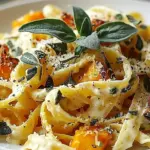
Delight in the flavors of fall with this creamy butternut squash sage pasta, a perfect dish for cozy evenings.
- Prep Time: 15 minutes
- Cook Time: 30 minutes
- Total Time: 45 minutes
- Yield: 4 servings
- Category: Main Course
- Method: Roasting and sautéing
- Cuisine: Italian
- Diet: Vegetarian
Ingredients
- 2 cups butternut squash, cubed
- 1 tablespoon olive oil
- 1 onion, chopped
- 3 cloves garlic, minced
- 1 tablespoon fresh sage, chopped
- 8 ounces pasta of choice
- 1 cup vegetable broth
- 1/2 cup heavy cream
- Salt and pepper to taste
- Parmesan cheese for serving
Instructions
- Preheat your oven to 400°F (200°C) and roast the butternut squash for 25-30 minutes until tender.
- In a large skillet, heat olive oil over medium heat and sauté the onion and garlic until translucent.
- Add the roasted butternut squash and sage to the skillet, mixing well.
- Cook the pasta according to package instructions; drain.
- Add the vegetable broth and heavy cream to the skillet, stirring to combine.
- Toss in the cooked pasta, season with salt and pepper, and serve with grated Parmesan on top.
Notes
- This dish can be made vegan by substituting heavy cream with coconut milk or a dairy-free alternative.
Nutrition
- Serving Size: 1 plate
- Calories: 450
- Sugar: 4g
- Sodium: 300mg
- Fat: 22g
- Saturated Fat: 10g
- Unsaturated Fat: 8g
- Trans Fat: 0g
- Carbohydrates: 50g
- Fiber: 5g
- Protein: 9g
- Cholesterol: 40mg